 ScubaDahab
Updated 28 Oct 2026
What the Blue Hole actually is
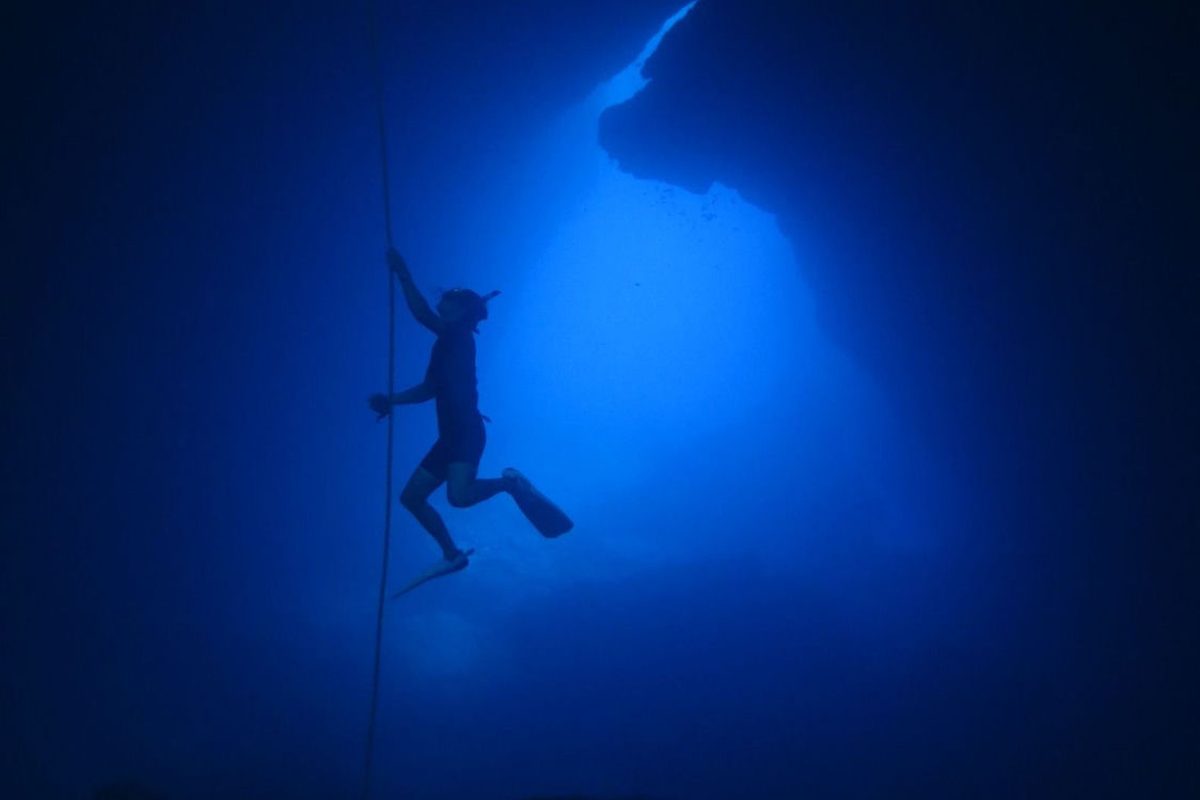
The Blue Hole is a submarine sinkhole on Dahab's coast, more than 100 m deep, connected to the open sea by a shallow archway known as "the Saddle" at around 6-7m and an opening known as "the Arch" at around 55-56m. Most recreational diving happens in the shallower rim and reef around the hole itself, not the hole's full depth.
Why it has a dangerous reputation
The Blue Hole is sometimes called one of the world's most dangerous dive sites, and it has a documented history of diver fatalities. It's important to understand why : nearly all recorded incidents involve divers attempting the Arch — a deep, technical passage requiring proper training, gas planning, and often trimix certification — without that training, frequently while diving alone or without a guide, and sometimes chasing depth records.
What's safe to dive at your level
Open Water divers (18m limit): the rim and shallow reef area, always with a guide. Advanced Open Water (30m): slightly deeper reef sections, still with a guide, never solo. Technical/Trimix certified divers only: the Arch itself — this is not something to attempt without the specific technical certification and an experienced local guide, regardless of how experienced you are elsewhere.
Getting there
The Blue Hole sits about 10km north of Dahab town, roughly a 15-20 minute drive along the coastal road. Unlike most famous Red Sea dive sites, there's no boat involved at all - it's a shore dive, reached by taxi, a dive centre's own shuttle (usually included in a Blue Hole trip), or by scooter if you're driving yourself. There's a small per-person entry fee payable in cash on arrival to access the site by road ; ask your dive centre for the current rate, since it's set locally and can change. Bring a printed or digital copy of your certification card; guides are required to check it before you get in the water.
Best time to go
Early morning is the best time of day to dive or visit the Blue Hole: the water is calmer, the light is better if you want photos, and you'll be in the water before the day-tripper coach groups arrive from Sharm El Sheikh. For season, the shoulder months - roughly March to May and September to November - tend to offer the best combination of comfortable water temperature (mid-20s °C), good visibility, and noticeably smaller crowds than the peak summer months.
A typical dive plan
Most Blue Hole dives start with a short drive from Dahab and a briefing at the site; brief divers on the site and any current conditions, then guide a reef dive along the rim for 40-50 minutes at depths matched to the group's certification level, before a safety stop and surface interval.
How to choose a centre for the Blue Hole
Choose a centre that assigns a dedicated guide for every dive here, checks your certification level before accepting the booking, and won't take beginners past their depth limit "for an extra fee." Every center listed on ScubaDahab meets this standard.