ScubaDahab
Updated 28 Oct 2026. Written by the ScubaDahab team, divers based in Dahab on the Red Sea.
The north: wrecks and famous reefs
From Hurghada or Sharm El Sheikh. Highlights: the Thistlegorm, the Abu Nuhas wrecks, Ras Mohammed and the Straits of Tiran. Sheltered sites, moderate depths and the most boats. Best for first liveaboards, wreck fans and divers on a budget; it is the cheapest region.
The marine parks: sharks in the blue
The Brothers, Daedalus and Elphinstone, from Hurghada or Port Ghalib. Steep walls in open sea, currents and the best chance of oceanic whitetips and hammerheads. Best for experienced divers (Advanced Open Water, 50+ dives) who want big animals.
The south: healthy reefs and quiet sites
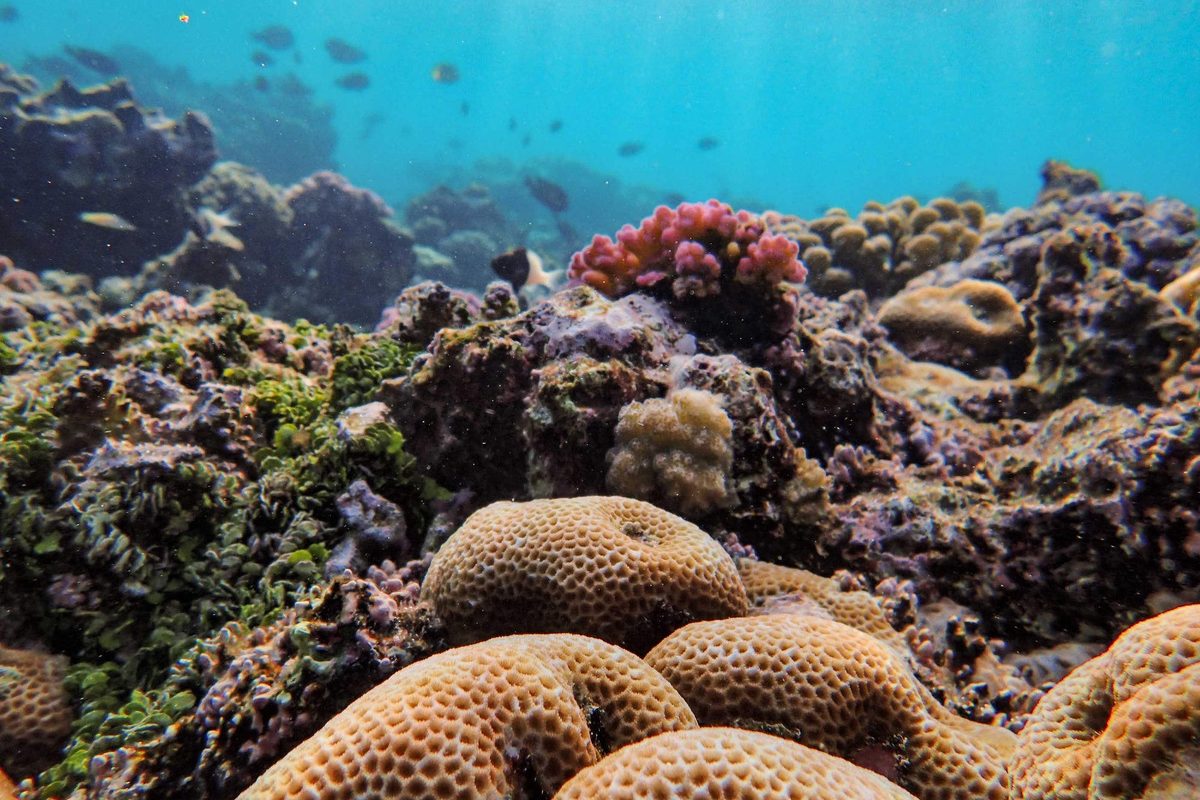
St. John's, Fury Shoals, Rocky and Zabargad, from Port Ghalib or Hamata. Pristine hard coral, caves and swim-throughs, dolphins at Sataya and very few other boats. Best for reef lovers and photographers; the Deep South trips are the most remote and the most expensive.
Quick comparison
Level: north easy, marine parks hard, south medium. Crowds: north busiest, south quietest. Price: north lowest, Deep South highest. Sharks: marine parks best. Wrecks: north best. Coral: south best.