ScubaDahab
What the diving is like
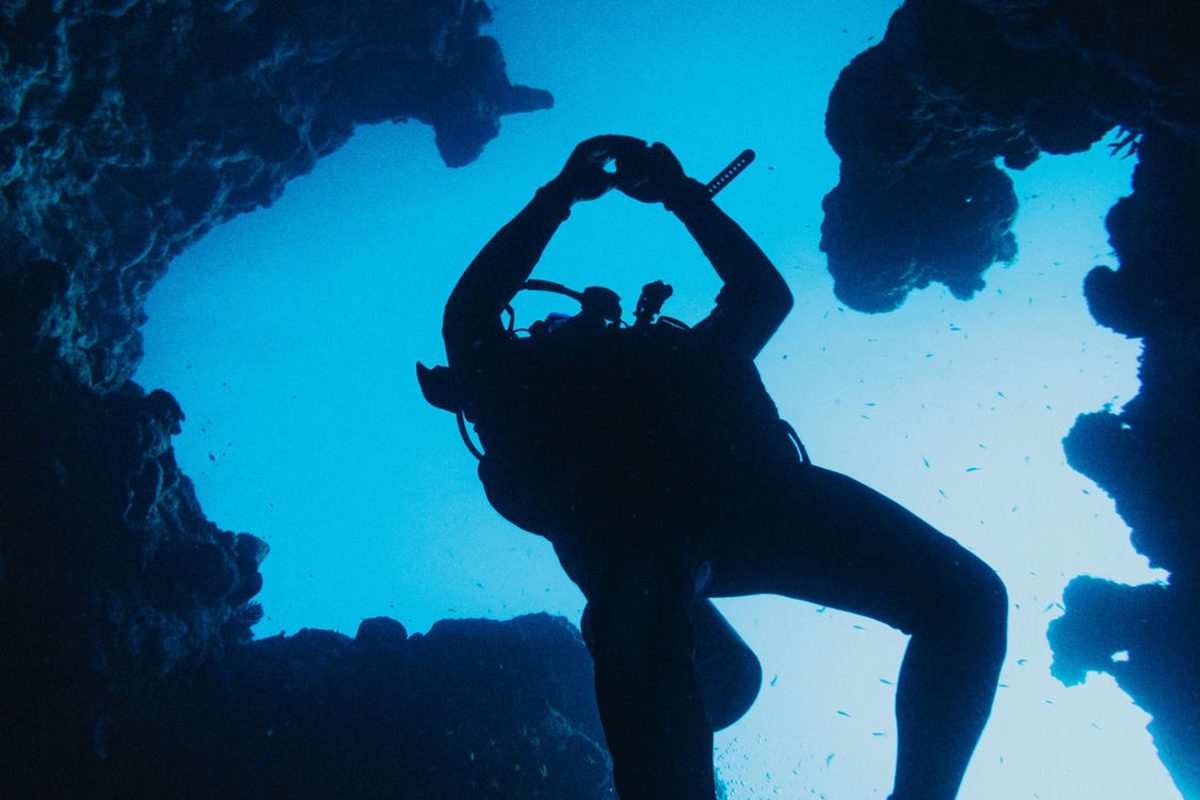
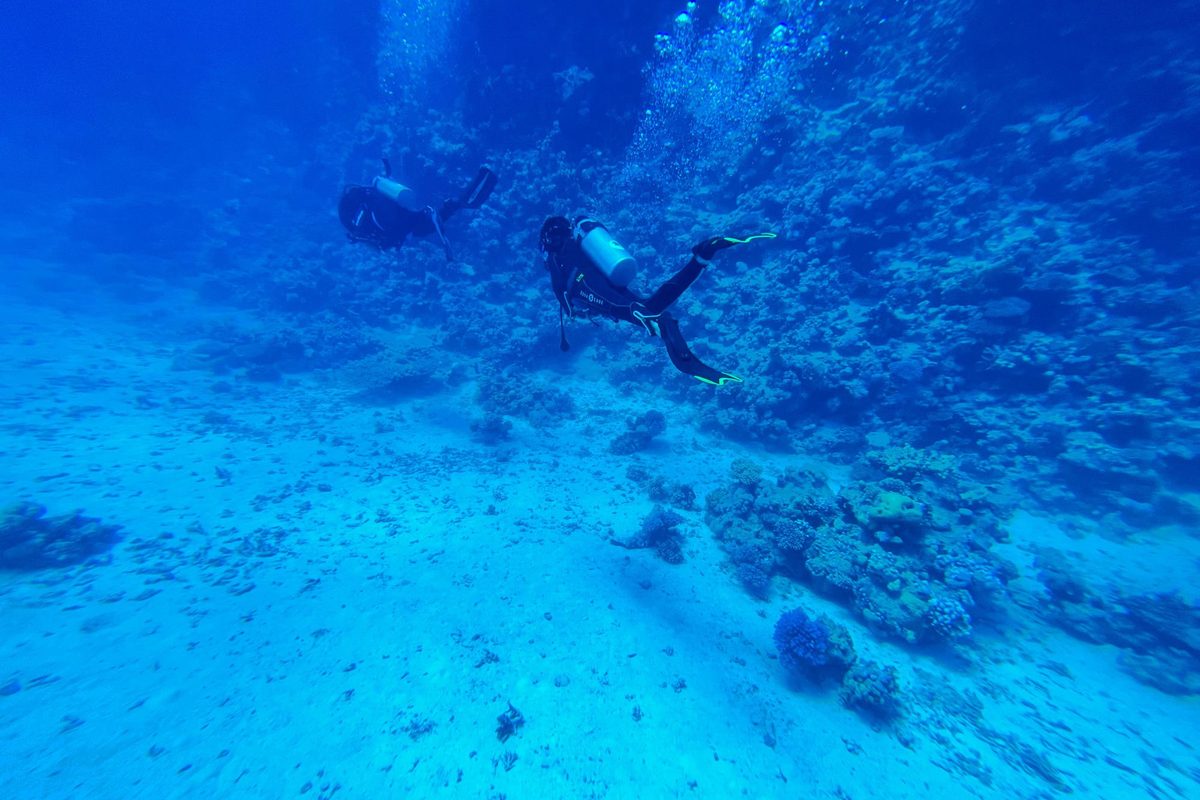
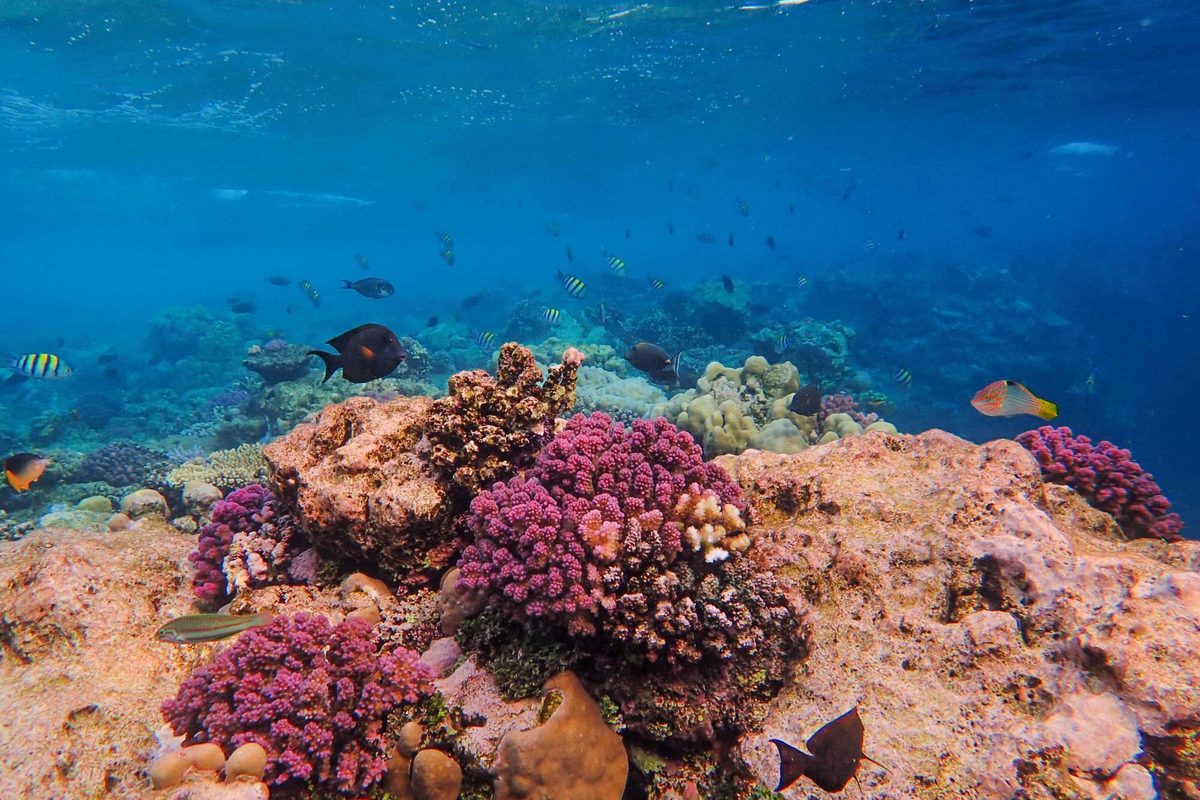
Almost all diving in Sharm is by day boat. Boats leave the marinas in the morning, do two dives and are back by mid-afternoon. The reefs are steep walls covered in soft coral, with deep blue water a few metres from the reef edge.
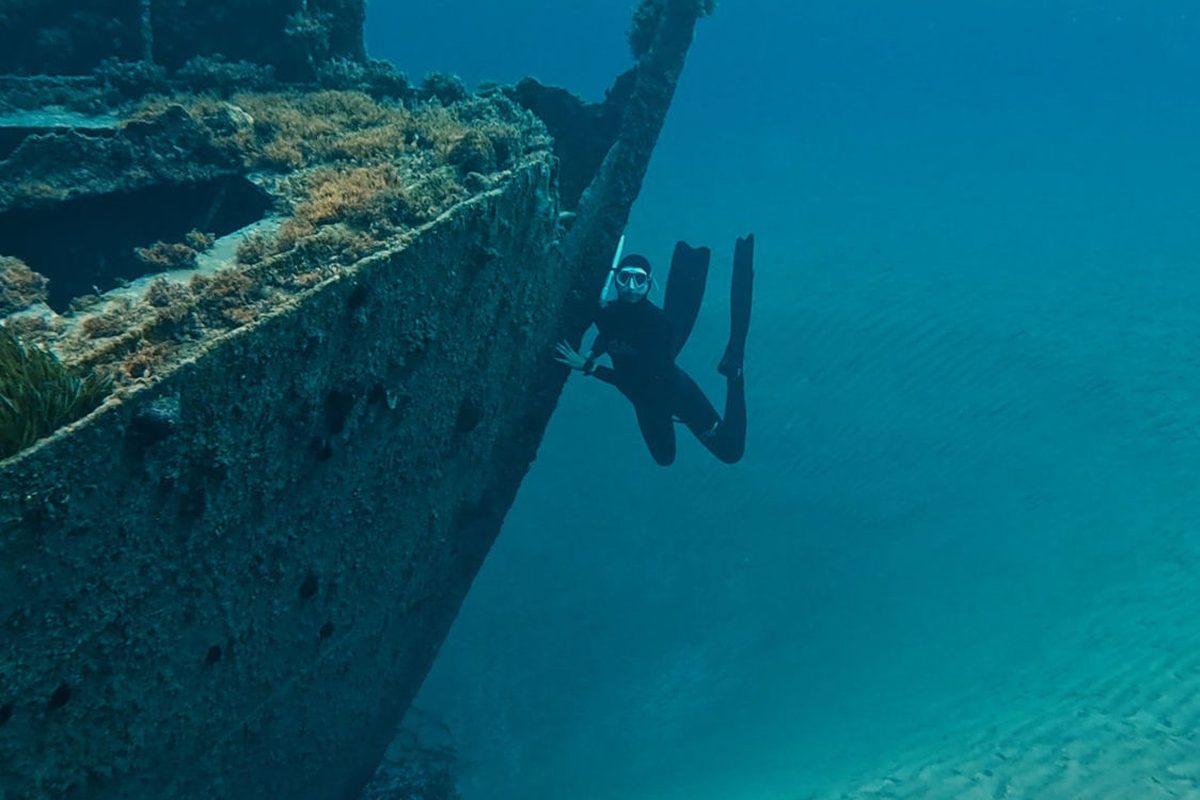
Ras Mohammed, at the southern tip of the Sinai, is the highlight: Shark and Yolanda Reef ends in a sandy plateau with the scattered cargo of the Yolanda wreck, and in early summer large schools of barracuda, jacks and batfish gather off the point. North of town, the four reefs of the Straits of Tiran (Jackson, Woodhouse, Thomas and Gordon) have some of the strongest currents and best pelagic sightings in the northern Red Sea.
The Thistlegorm from Sharm
The SS Thistlegorm is a long day trip from Sharm: about three hours each way by boat, with an early start. It works, but a mini safari of two to four nights is a better way to see it, because you can dive it early in the morning or at night when the day boats have gone home.
When to go
Diving is good all year. Summer (June to September) brings the warmest water and the big schools at Ras Mohammed, but also strong sun and busy boats. Winter is quieter and cooler: most divers wear a 5–7 mm suit from December to March.
Liveaboards from Sharm
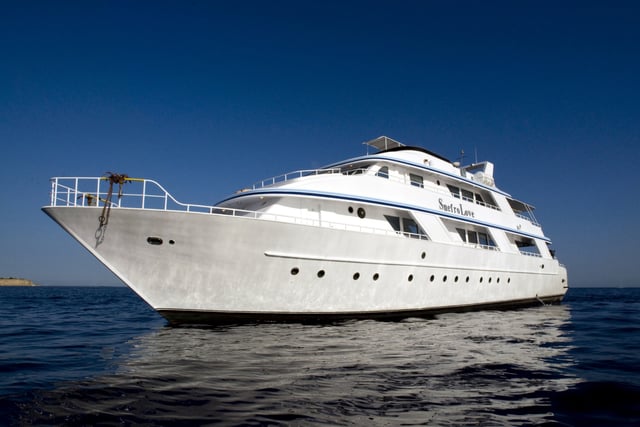
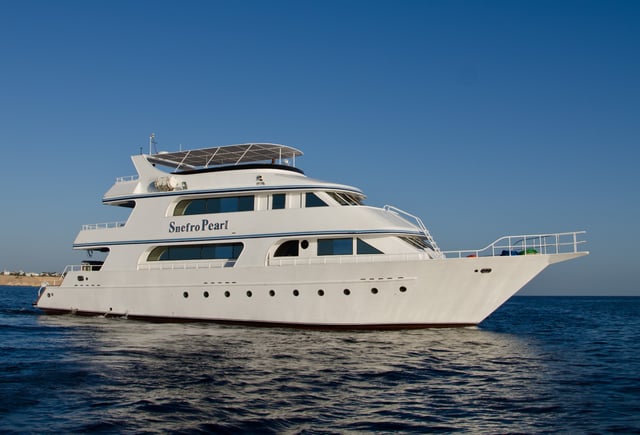
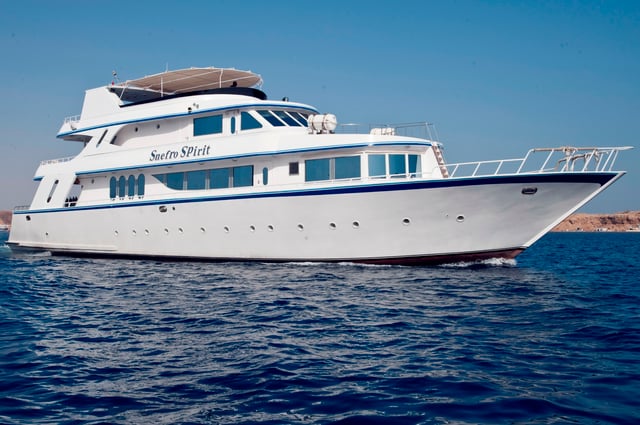
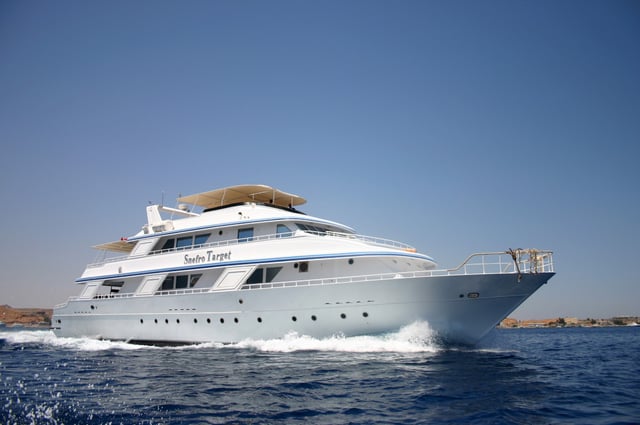
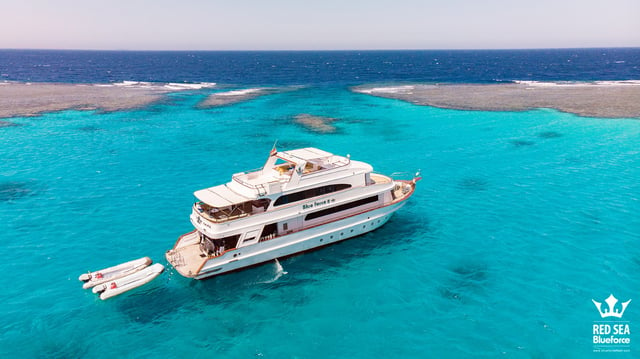
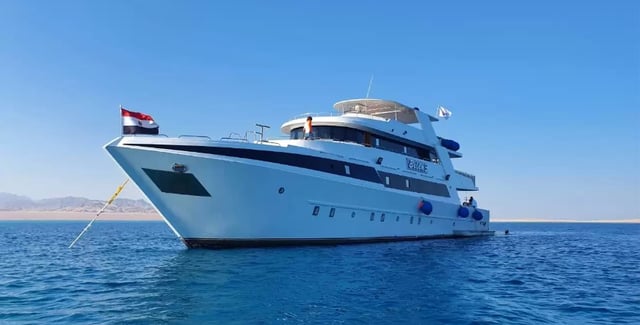
Sharm is the base for short northern trips: mini safaris to the Thistlegorm and Ras Mohammed, and week-long trips that combine Tiran, Ras Mohammed and the wrecks. Most marine-park and southern liveaboards leave from Hurghada or Port Ghalib instead.
Top dive sites
- Shark & Yolanda Reef: Ras Mohammed's famous point: wall, plateau and wreck cargo
- Jackson Reef: Tiran's northernmost reef, strong currents, hammerheads in summer
- Ras Ghozlani: a gentle Ras Mohammed reef, good for all levels
- Ras Um Sid: a gorgonian forest close to town
- SS Thistlegorm: the Red Sea's most famous wreck, a long day trip